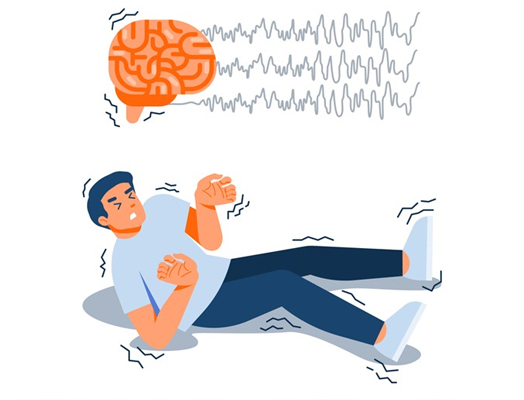
An epilepsy seizure is a sudden surge of abnormal electrical activity in the brain that can cause changes in movement, awareness, or behaviour. Knowing what to do during a seizure is crucial for preventing injury and ensuring safety. Proper epilepsy seizure first aid focuses on staying calm, protecting the person, and monitoring the episode. Quick and correct seizure first aid steps can make a significant difference during an epilepsy emergency and help reduce complications.
What Happens During an Epilepsy Episode
An epilepsy seizure occurs when brain signals become disrupted, leading to temporary changes in body function. During a seizure, a person may:
- Lose consciousness
- Experience uncontrolled shaking
- Become confused or unresponsive
Common Signs of an Epilepsy Episode
Recognising symptoms early helps with faster epilepsy emergency care. Common epilepsy attack symptoms include:
- Sudden collapse
- Jerking or stiff movements
- Staring spells
- Loss of awareness
- Confusion after the episode
What to Do During an Epilepsy Episode
Step-by-Step First Aid
Follow these seizure first aid steps carefully
- • Stay calm: Panic can make the situation worse. Keep yourself composed.
- • Help the person lie down safely: Prevent falls and injuries by guiding them to the ground gently.
- • Turn them onto their side: This helps keep the airway clear and prevents choking.
- • Cushion the head: Place a soft object under their head to prevent injury.
- • Remove nearby dangerous objects: Clear sharp or hard items from the surroundings.
- • Loosen tight clothing: Especially around the neck, to help breathing.
- • Time the seizure: Note the seizure duration, this is critical information for doctors.
What Not to Do During a Seizure
Avoid these common mistakes during first aid for epilepsy:
- • Do NOT put anything in the mouth
- • Do NOT restrain their movements
- • Do NOT give food or water
- • Do NOT panic or leave them alone
When to Call Emergency Help
Seek immediate epilepsy emergency care if:
- • Seizure lasts more than 5 minutes
- • Repeated seizures occur without recovery
- • It is a first-time seizure
- • The person is injured
- • Breathing becomes difficult
What to Do After the Seizure Ends
Post-seizure care is equally important.
- • Help the person sit or lie comfortably
- • Reassure them as they regain awareness
- • Allow them to rest
- • Check for injuries
Different Types of Seizures and First Aid Differences
Generalised Seizures
- Involve the whole body
- Require full safety precautions
Focal Seizures
- Affect part of the brain
- Person may remain aware but confused
Absence Seizures
- Brief staring episodes
- Usually do not require major intervention
Safety Tips for People Living with Epilepsy
Practical seizure safety tips include:
- Avoid known triggers (stress, lack of sleep)
- Take medications regularly
- Maintain proper sleep patterns
- Inform family and friends about your condition
Preventing Injury During Seizures
Reducing risks is a key part of epilepsy emergency care.
- Use protective measures at home
- Avoid high-risk activities alone (swimming, heights)
- Ensure workplace awareness
- Install safety padding if needed
When to See a Doctor
Consult a doctor if:
- Seizures become frequent
- There is a change in seizure pattern
- Medications cause side effects
- Recovery time increases
Conclusion
Knowing what to do during a seizure can make a critical difference in an emergency. Staying calm, following proper first-aid steps for seizures, and avoiding harmful actions are essential for safety. Awareness of warning signs and a timely response can prevent injuries and complications. Educating family members and caregivers about seizure first-aid steps improves preparedness. If seizures are frequent or severe, seeking medical advice is crucial for effective epilepsy management and long-term well-being.
Medical Emergency: If any of these signs develop unexpectedly, it is essential to seek medical help without delay.