A stroke is a critical health emergency that occurs when the blood supply to a part of the brain is interrupted or reduced. This disruption limits the delivery of oxygen and essential nutrients, which are necessary for proper brain function. Without oxygen and nutrients, brain cells begin to die within minutes, which can lead to long-term disability or even death if not treated quickly.
Strokes are broadly categorised into two primary forms: ischemic strokes and hemorrhagic strokes. While both affect the brain and may show similar symptoms, they differ in their causes, severity, and treatment approaches. Specialists at Max Hospital Gurugram stress the importance of early detection and rapid treatment to improve recovery outcomes.
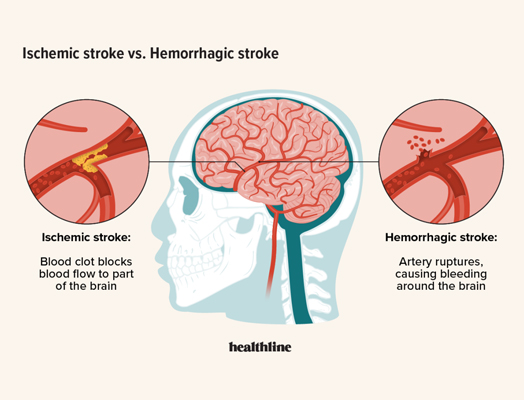
An ischemic stroke happens when the flow of blood to a part of the brain is obstructed, usually because of a clot in a blood vessel. This obstruction prevents oxygenated blood from reaching parts of the brain, which can result in injury to brain cells due to a lack of oxygen.
It is the most common type of stroke, accounting for about 85% of all cases.
A hemorrhagic stroke happens when a blood vessel in the brain bursts, leading to bleeding either within the brain tissue or in the surrounding areas. This bleeding increases intracranial pressure and damages surrounding cells. Although less common, it is often more severe and requires immediate medical care.
Treatment focuses on stopping the bleeding and reducing intracranial pressure. This may involve medications to control blood pressure, reversing blood thinners, or surgery to repair blood vessels or remove accumulated blood.
An ischemic stroke occurs when blood flow to the brain is interrupted by an obstruction in a blood vessel. In contrast, a hemorrhagic stroke arises when a blood vessel ruptures, leading to bleeding either within the brain tissue or in the surrounding areas. Ischemic strokes are far more common, but hemorrhagic strokes tend to be more severe.
Risk factors also differ. Ischemic strokes are often linked to heart disease, high cholesterol, and irregular heart rhythms, whereas hemorrhagic strokes are commonly associated with high blood pressure, aneurysms, and vascular abnormalities.
Treatment objectives differ depending on the type of stroke. In cases of ischemic stroke, the primary aim is to re-establish proper blood circulation to the affected area of the brain. In contrast, managing a hemorrhagic stroke centres on controlling and halting the bleeding, as well as reducing the buildup of pressure within the brain.
Early recognition can save lives. The BEFAST method helps identify stroke symptoms quickly: